

What happens when vocational educators step outside the familiar classroom routine and begin to rethink how their students learn?
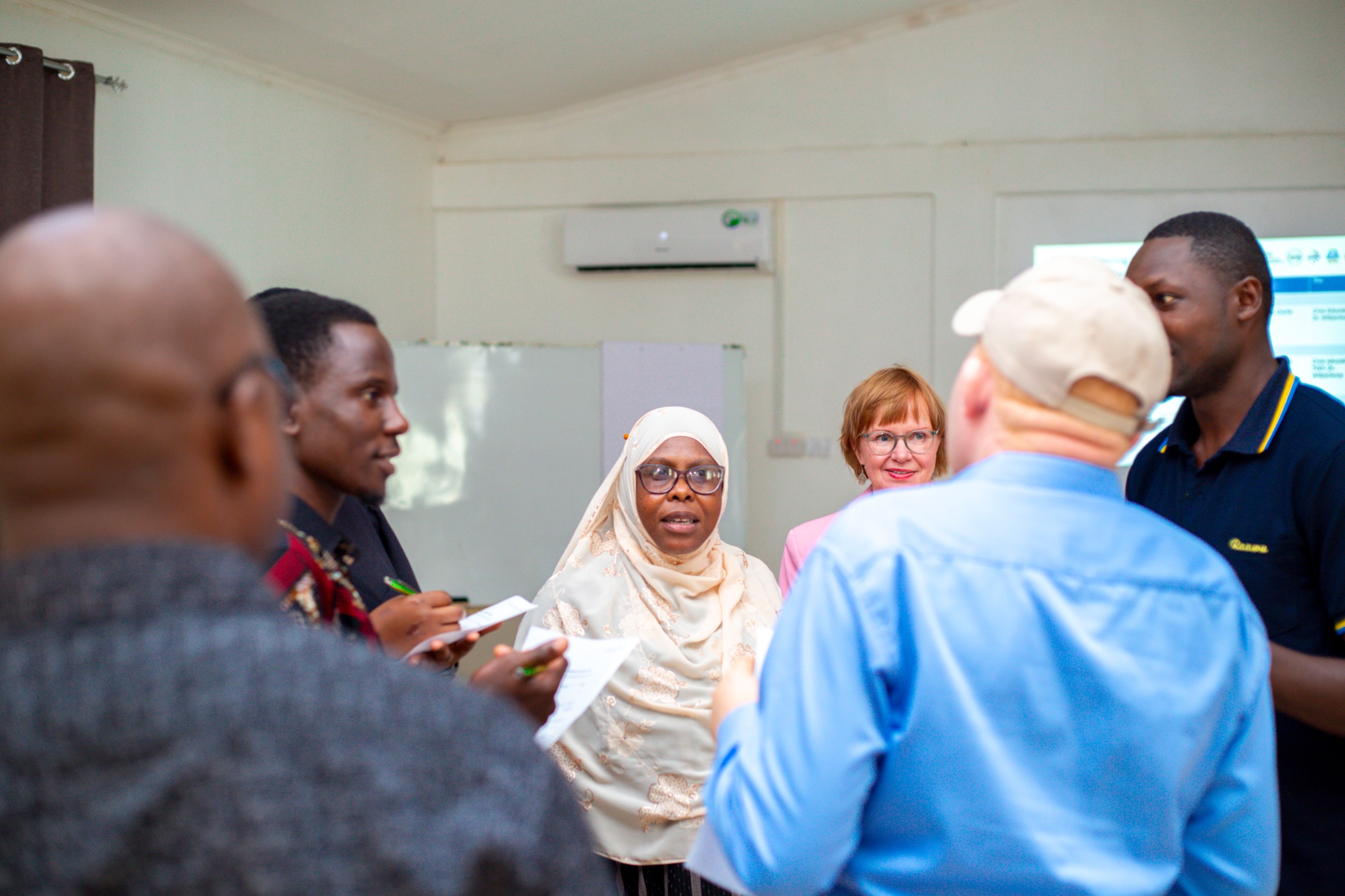
For a group of TVET educators and quality assurance specialists from across Tanzania, including Morogoro, Mafia, Lindi, Dodoma, Mtwara, and Zanzibar, the answer came through a series of unexpected “aha!” moments during an intensive five-day capacity-building workshop.
One idea emerged again and again: learning should not stop at the classroom door.
The participants began looking differently at work-based learning, industry partnerships, inclusive education, assessment, and the role of the teacher. More importantly, they returned to their institutions with practical ideas about how to turn those insights into action.
Here are some of the moments that stood out.
1. Learning doesn't end at the classroom door
For many years, vocational training has often followed a familiar pattern: students learn theory and practical skills at a training institution before spending a limited period on field attachment.
But participants began to see Work-Based Learning (WBL) as something broader.
Rather than treating workplace exposure as a separate stage of training, WBL can connect learning with the realities, technologies, expectations, and challenges of the workplace throughout the learning process.
For Oliver Edmund Mbemba from VETA Mtwara, one of the biggest opportunities lies in what industry can provide.
“Work-based learning partnership is the best approach since it is cost-effective. Companies and industries possess modern tools and equipment which are highly expensive, which our centres cannot afford to purchase. Through partnerships, we can easily fill these gaps.”
The message is practical: training institutions do not have to provide everything on their own.
Through meaningful partnerships, learners can gain exposure to modern equipment, technologies, workplace practices, and professional environments that may not always be available in training centres.
2. The teacher is more than a knowledge giver
Perhaps the biggest shift was not about equipment or partnerships. It was about how educators see themselves.
A TVET educator is not simply someone who delivers information from the front of a classroom. They can also be a facilitator, mentor, problem-solver, and bridge between learners, institutions, and the world of work.
For Neema Michael Lyimo from Dodoma RVTSC (VETA), this was a personal mindset shift.
“The biggest lesson I've learned is that TVET education shouldn't just stay in the classroom. It completely shifted my mindset, I now see that a TVET teacher isn't just someone who hands out knowledge, but a bridge between students, institutions, and the job market.”
That change in perspective matters.
If educators see themselves as bridges to the world of work, teaching can become less about simply covering a curriculum and more about helping students understand how their knowledge and skills are applied in real situations.
3. Industry partnerships need more than good intentions
Connecting students with industry is important but participants also recognized that successful partnerships need structure.
Informal arrangements and occasional workplace placements may not be enough. Stronger collaboration can involve clear agreements, defined responsibilities, training plans, regular communication, and shared approaches to assessment.
For Zuhura Juma Ali from KIST Zanzibar, the next step is putting this idea into practice.
“My key takeaway is the concept of work-based learning, which we will put into practice by signing MoUs with industry partners. This involves developing guidelines that will facilitate seamless collaboration between our institution and industry stakeholders to ensure optimal assessment of our students.”
The goal is therefore not simply to send students to workplaces.
It is to create partnerships in which training institutions and employers jointly contribute to learning.
That means asking important questions: What should students learn in the workplace? Who supervises them? How will their progress be assessed? How will feedback be shared? And how can employers help training institutions understand changing workplace needs?
4. Employability is about more than technical skills
Being ready for employment requires more than knowing how to operate a machine, repair equipment, prepare a product, or perform a technical task.
Participants highlighted three interconnected dimensions of competence:
knowledge, practical skills, and professional attitudes.
The workplace can provide opportunities for learners to develop communication, teamwork, problem-solving, responsibility, adaptability, and other behaviour needed in professional environments.
Frank Patrick Urio, a tutor at MVTTC, emphasized the importance of applying skills in real settings and learning from feedback.
“Vocational instruction must extend beyond merely teaching students how to work; it should empower them to apply those skills within actual workplace settings. Furthermore, feedback is not the exclusive responsibility of the supervisor. Instructors, students, and workplace supervisors all share a vital role.”
This points to another important shift: learning does not end when a student completes a practical task.
Feedback helps learners understand what they did well, where they need to improve, and how their performance compares with workplace expectations.
5. Inclusion has to be part of quality TVET
Another major “aha!” moment concerned something that can easily be overlooked when discussing skills and employability: access and inclusion.
Education is a right for everyone, yet learners with disabilities and other special needs can still face barriers in accessing and participating in technical training.
For participants, inclusive TVET means looking beyond enrolment.
It means considering teaching approaches, learning environments, support mechanisms, assessment, and the ways students participate in practical training.
Nickson Kinyamagoha from MVTTC reflected:
“I learnt how to apply inclusivity in TVET, including different supporting mechanisms for people with disabilities, and how to make sure that all students, with and without disabilities, can achieve the same competencies.”
The ambition is simple but significant: every learner should have a genuine opportunity to participate, learn, and develop the competencies required for their chosen occupation.
From “aha!” to action
The real test of any training programme is what happens after participants return home.
For these educators, the workshop was not intended to end with certificates, notes, or a collection of new ideas.
They identified practical actions they can take within their institutions. These include:
Sharing lessons from the training with institutional leaders, management teams, and fellow teaching staff;
For Masumbuko Marco Manganya from VETA Kihonda, Morogoro, the change begins in the classroom itself.
“I intend to shift my instructional approach to emphasize active learner engagement, hands-on training, collaborative group work, problem-solving, and real-world occupational scenarios. I will ensure students become the primary drivers of the learning process rather than mere passive listeners.”
That is perhaps the most important shift of all.
The transformation of TVET does not necessarily begin with a new building, expensive equipment, or a major institutional reform.
Sometimes, it begins with a teacher asking a different question:
What if my students were not simply listening to me but actively learning to solve the problems they will face at work?
Turning the insight into change
The experience of these educators points towards a broader vision for technical and vocational education in Tanzania, one where classrooms, training institutions, workplaces, educators, learners, and industry are more closely connected.
When classroom learning reflects workplace realities, students can develop more than technical knowledge. They can build practical skills, professional attitudes, confidence, problem-solving abilities, and adaptability.
But the real measure of these “aha!” moments will be what happens next.
The educators who participated in the workshop are now carrying these questions and their action plans back to institutions ranging from VETA Kihonda to MVTTC, Lindi, the Eastern Zone MQA and Zanzibar.
The classroom remains important. But the lesson from these educators is clear:
TVET becomes more powerful when learning does not stop at the classroom door.

Morogoro, Tanzania.
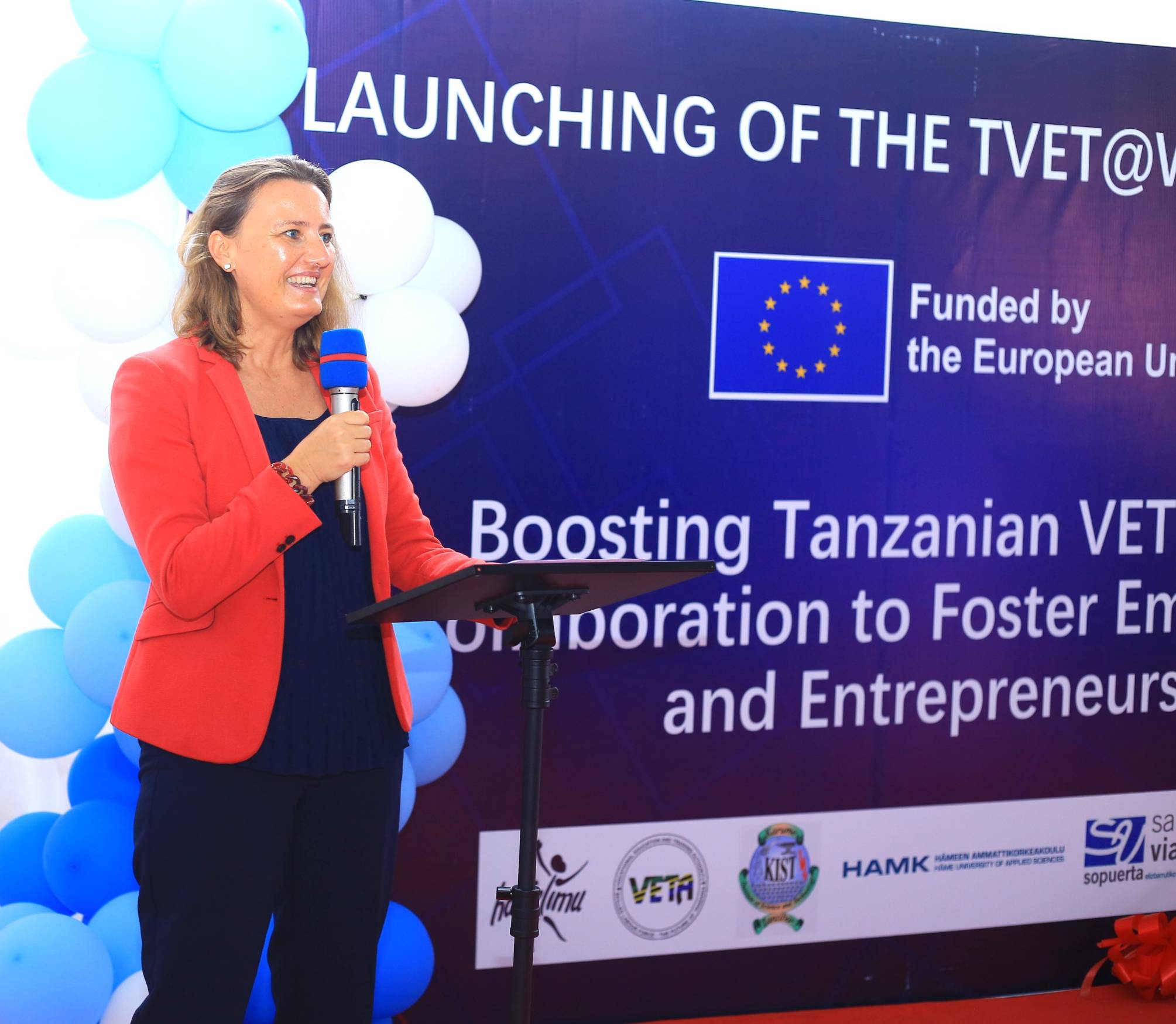
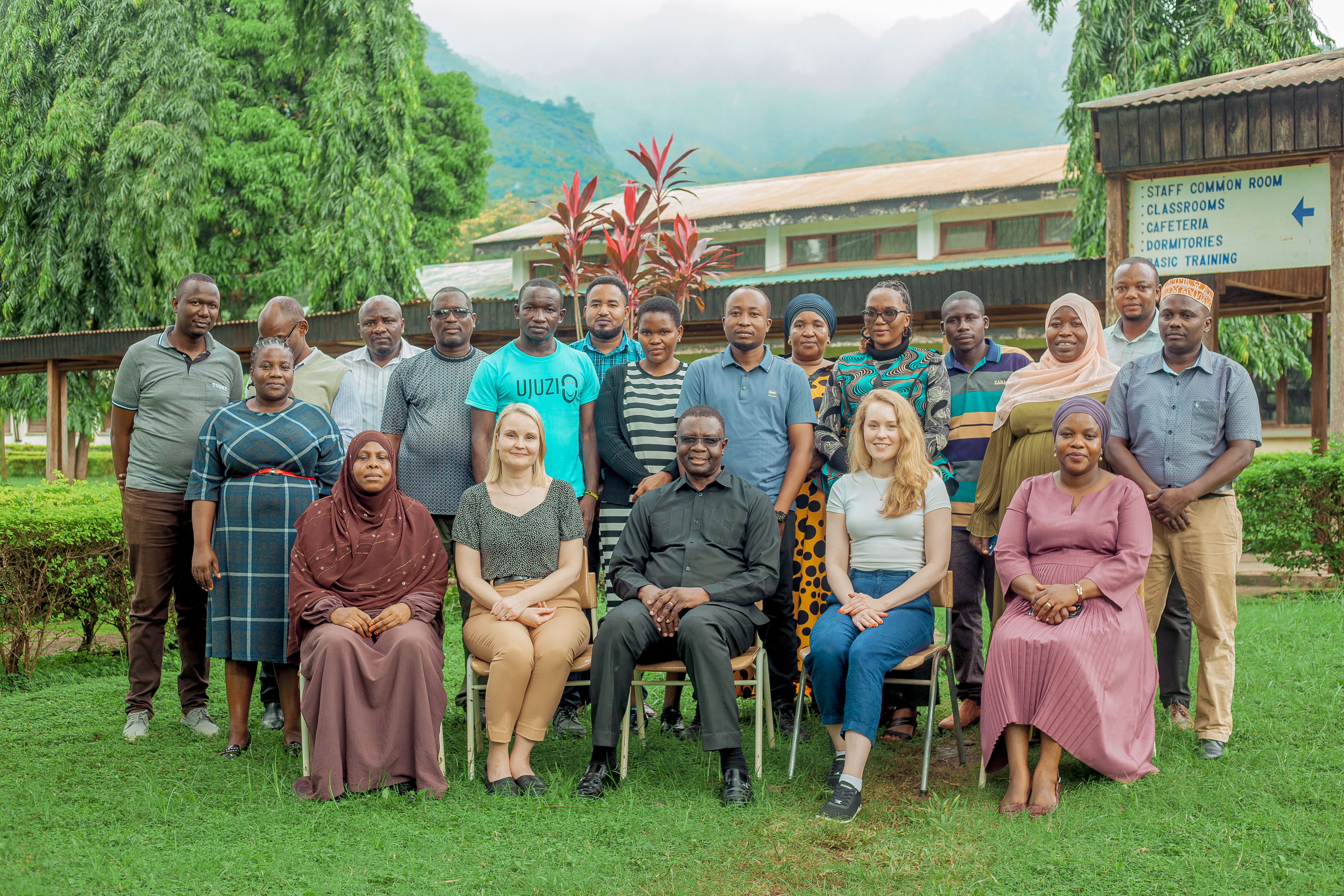
Thirty (30) Vocational Education and Training (VET) educators representing all nine VETA zones across Tanzania are participating in an intensive five-day capacity-building workshop under the TVET@Work project. Held in a hybrid format—combining physical sessions at the Morogoro Vocational Teachers Training College (MVTTC) with virtual participation—the workshop aims to elevate instruction standards and strengthen industry alignment nationwide.
The initiative is jointly organized by key implementing partners, including the Vocational Educational and Training Authority (VETA), Häme University of Applied Sciences (HAMK), HakiElimu, and the Karume Institute of Science and Technology (KIST).
The workshop focuses on five key objectives:
This capacity-building initiative underscores the TVET@Work project’s commitment to equipping educators with modern pedagogical skills, expanding industry linkages, and driving inclusive economic growth through high-quality technical education.

The Vocational Education and Training Authority (VETA) recently convened a series of impactful Stakeholders’ Meetings aimed at enhancing industrial collaboration between VETA and its diverse partners. These meetings were held across three key locations: VETA Hospitality and Tourism Training Institute (VHTTI) in Arusha, Mlimani City Conference Hall in Dar-Es-Salaam and Karume Institute of Science and Technology (KIST) in Zanzibar, bringing together representatives from government institutions, regulatory bodies, training institutions, and the private sector to discuss the future of the VET industry in Tanzania.
The gatherings form part of the broader TVET@Work Project, an ambitious initiative designed to strengthen the relevance, quality, and accessibility of technical and vocational education in Tanzania. By promoting demand-driven training programmes, fostering strategic partnerships with industry, and encouraging innovation, the project seeks to enhance youth employability and contribute to national productivity.
A central focus of the meetings was to discuss and reinforce collaborative approaches that align technical and vocational training with the evolving needs of the labour market. Participants engaged in dynamic discussions on how to bridge the gap between education and employment by tailoring skills development to real-world industrial demands.
One of the key outcomes of the stakeholder engagements is the development of a Guideline for Industrial Collaboration. This upcoming framework will provide a structured approach for collaboration between VETA, industries, and other key players within the TVET ecosystem. It will offer clear strategies for involving industry in areas such as curriculum development, practical training, internships, and employment linkage.
By hosting these regional meetings, VETA has demonstrated its commitment to creating a responsive and industry-driven vocational training system. The diversity of participants and the geographical spread of the meetings reflect the nationwide effort to build a TVET framework that supports inclusive growth and prepares Tanzanian youth for meaningful participation in the workforce.
As Tanzania continues its path toward industrialization and economic transformation, these collaborative initiatives stand as a testament to the power of partnership in shaping a skilled and competitive workforce for the future.
Morogoro, Tanzania Morogoro Vocational Teachers Training College (MVTTC), in partnership with the Karume Institute of Science and Technology (KIST) and global edtech leader 3DBEAR, recently hosted a transformative four-day training program under the TVET@Work project.
The objectives of this initiative are to enhance the capabilities of vocational education and training (VET) providers and instructors, foster public-private collaboration for demand-driven VET programs, and improve the quality and responsiveness of TVET to economic and social changes.
Held from April 28 to May 2, 2025, the training was designed to strengthen the digital teaching skills of vocational educators from across all regions of Tanzania. Under the theme “Empowering Educators Through Digital Literacy and Pedagogy,” the program brought together instructors from diverse institutions to explore cutting-edge digital tools and innovative teaching strategies tailored for the modern vocational classroom.
The training focused on three key objectives:
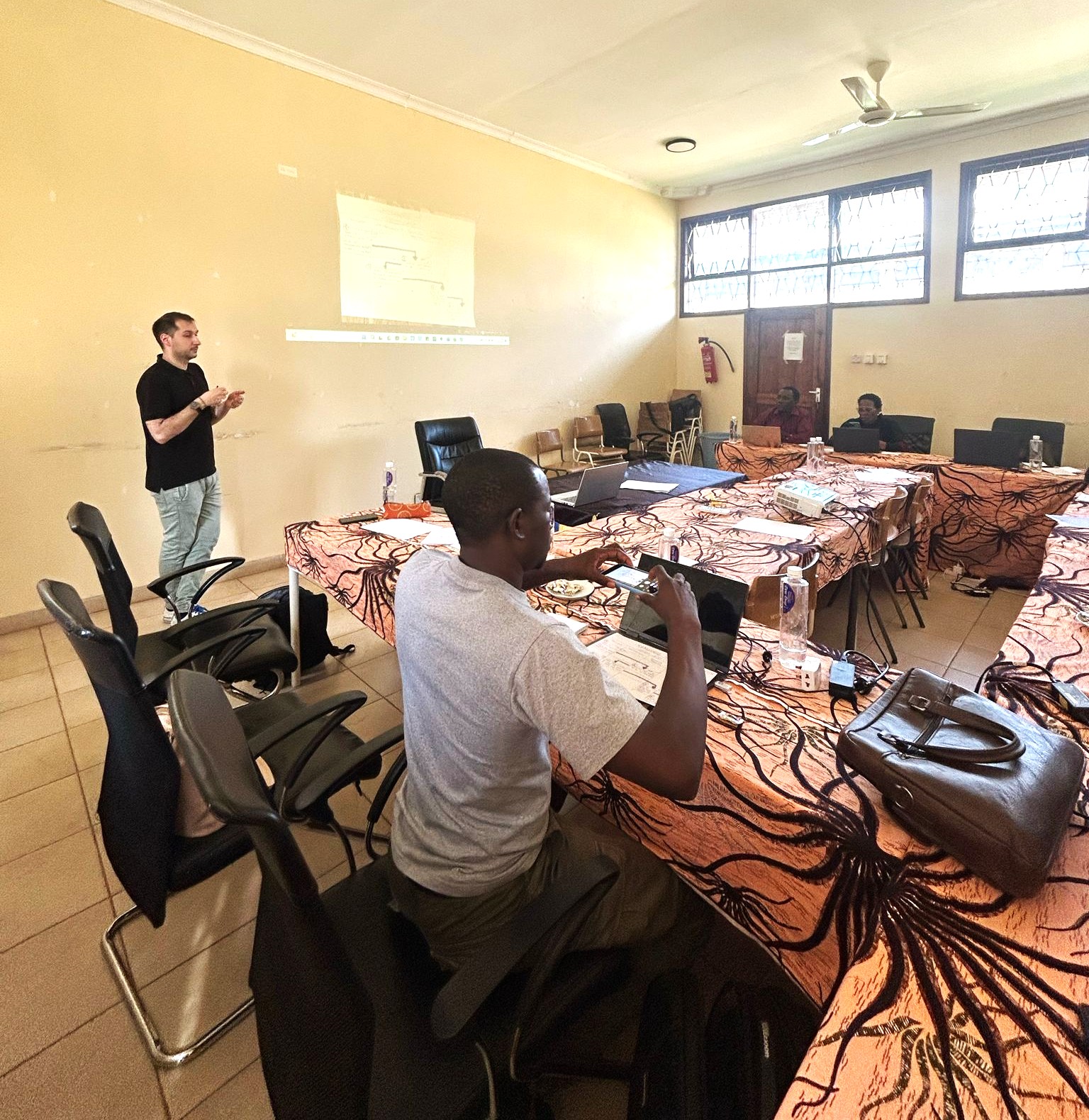
Led by expert facilitators from 3DBEAR, fifteen (15) participants engaged in dynamic workshops, collaborative group sessions, and hands-on learning activities—ensuring the training was not only informative but also immediately applicable in classroom settings. “Training in digital tools such as AI, Mentimeter, Kahoot, Canva, Flinga, and Trello has equipped me with essential skills that will support curriculum development and documentation improvement. As the Training Coordinator at VETA Headquarters, I am deeply inspired to share this knowledge with trainers across the country, as it will streamline lesson preparation and enhance teaching effectiveness,” said Aneth B. Mganga, Curriculum Development Coordinator at VETA Headquarters.
The success of this training highlights the value of international collaboration. With MVTTC’s local leadership and 3DBEAR’s global expertise, Tanzanian vocational educators are now better equipped to meet the evolving needs of today’s learners.
Participating in an international project is always a challenge, a challenge we enjoy, but a challenge nonetheless. At the same time, it is an opportunity to share what we know and learn from others. This is what we experienced at the San Viator Center when working with WP3 of the Erasmus+ TVET@Work project. Our task was to design and implement a training program for teachers on entrepreneurship in Tanzania.
Our objective was clear: to be able to offer a proposal based on the methodology we use in basic education in the Basque Country, but adapted to the needs of students and teachers in the country, which could serve as a tool to open up new opportunities.
The project aims to improve employability and vocational training in Africa, specifically in Tanzania, an area rich in opportunities for entrepreneurs.
At San Viator, we took on the responsibility of creating WP3, a training program with innovative methodology that included virtual reality, with the help of our partners at 3dBear, who created the simulations used in the training. We didn't want an “imported” and “ready-made” program; we wanted meaningful, tailor-made training that would connect with the reality of the country and help teachers apply it in the classroom.
The basis of our proposal was the challenge-based learning methodology. This methodology does not start with theory, but with a real problem, and from there, students seek solutions, working in teams (as often happens in real life) and proposing ideas that could be applied in their community.
In Tanzania, this was really important given that many young people cannot find formal employment after completing their studies. However, they do have the opportunity to start small businesses or local projects.
As we produced the training materials, we held a meeting to gather feedback from Tanzanian teachers to find out how they were finding the training and whether it met their needs. Following this meeting, based on the opinions of the teaching staff there, we decided to add some theory, thus making a transition from a traditional model to an innovative one.
However, only the theory necessary to maintain the perspective of innovative methodology was added. This theoretical content had to be brief and clear; the aim was not to give long lessons but to explain the essentials.One of the most important lessons we learned was understanding the importance of adapting. It is not enough to simply translate materials; it is necessary to listen and understand the realities.
One of the most important lessons we learned was the importance of adapting. It is not enough to simply translate materials; it is necessary to listen and understand the realities. The pilot program in Morogoro was quite an experience, where we met with vocational training teachers from across the country and shared the work we had done, gathering feedback to make changes and ensure comprehensive and useful training.
Centro San Viator